
Choosing the Right Stainless Steel Cookware for Your Restaurant Kitchen
Choosing the right stainless steel cookware is essential for maximizing the efficiency and success of any restaurant kitchen. The quality of cookware directly affects food preparation, cooking times, and the overall quality of dishes served. Among the various options available, stainless steel cookware stands out for its durability, versatility, and ease of maintenance. In this article, I will guide you on how to select the right stainless steel cookware for your restaurant’s kitchen supply, ensuring you invest in equipment that enhances your culinary operations.
Types of Stainless Steel Cookware
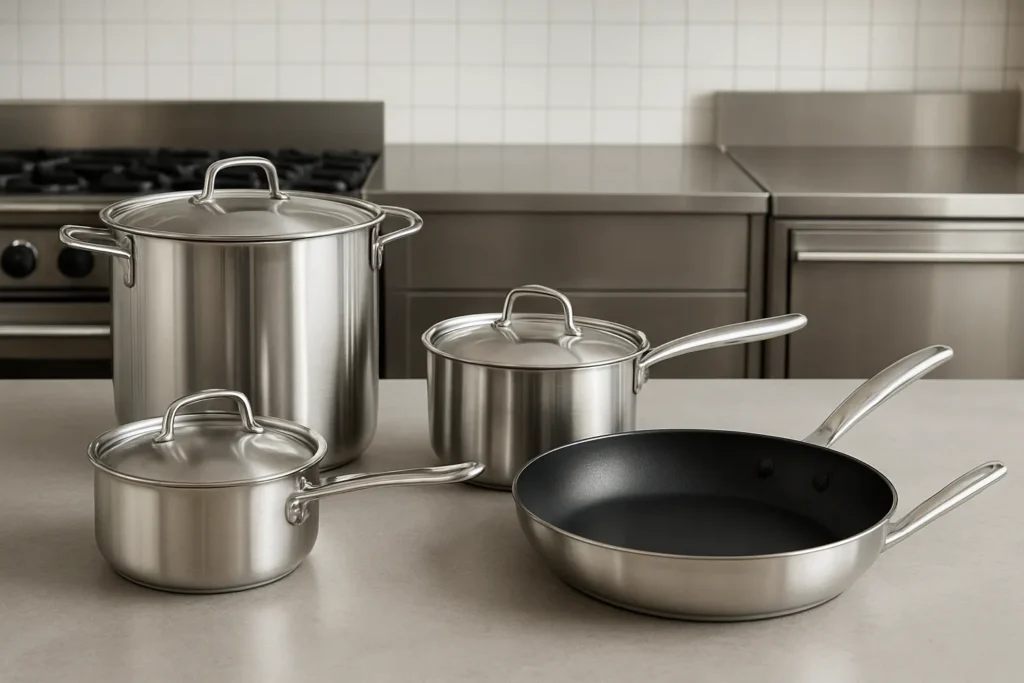
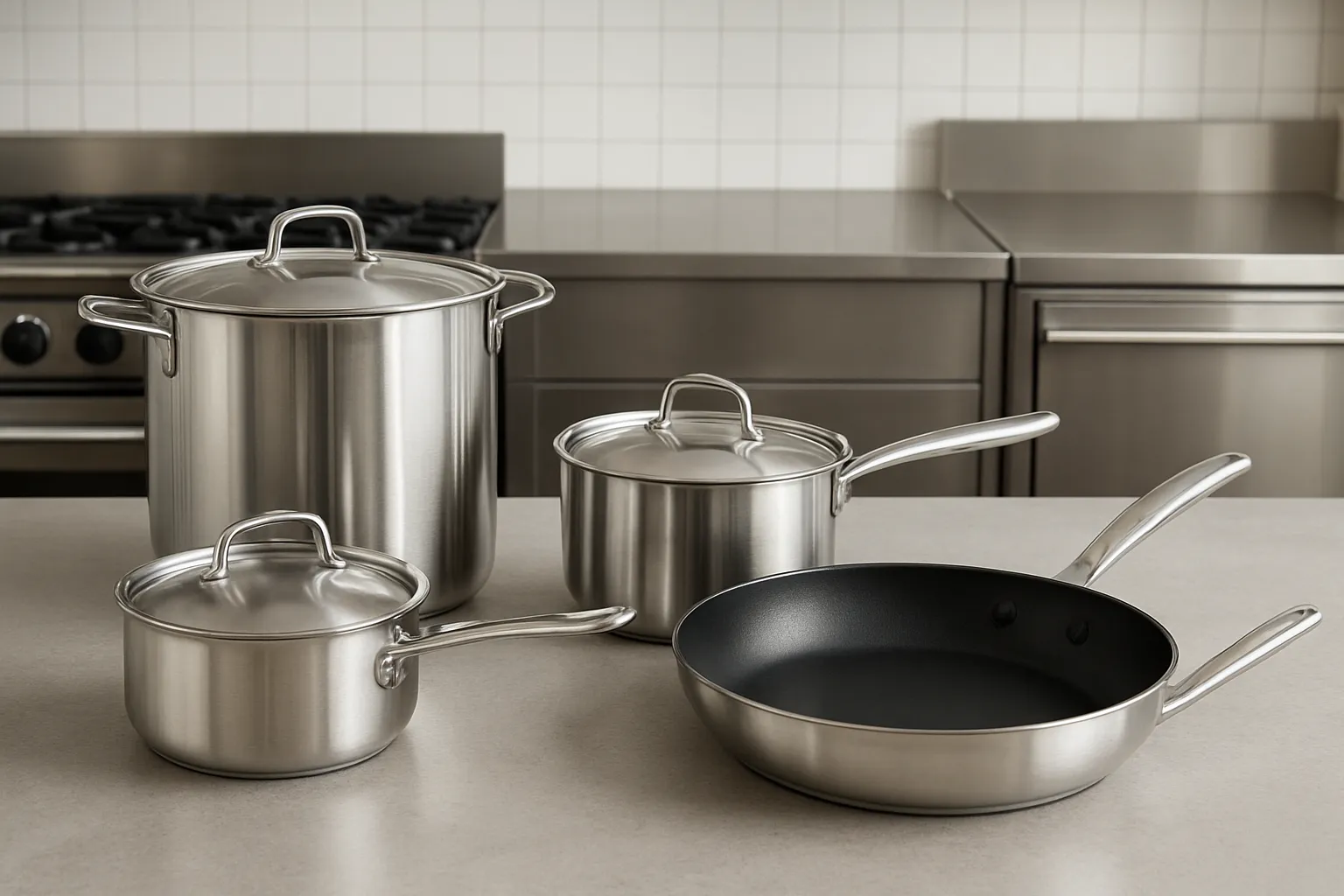
When selecting stainless steel cookware for your restaurant, understanding the different types available is crucial. Common varieties include saucepans, stock pots, sauté pans, and frying pans. Each type serves a unique purpose in the kitchen:
- Saucepans: Ideal for simmering sauces and boiling liquids, they come in various sizes to accommodate different batch sizes.
- Stock Pots: Perfect for preparing stocks, soups, and large quantities of food, stock pots feature a wider base and higher sides.
- Sauté Pans: With a wide, flat bottom and low sides, they are designed for quick cooking techniques like sautéing and frying.
- Frying Pans/Skillets: Essential for everyday frying, these pans offer a non-stick surface ideal for delicate foods.
When choosing each type, consider key features such as construction quality, handle design, and compatibility with various heat sources.
Specifications to Consider
Several specifications can impact the performance and longevity of stainless steel cookware:
- Material Grades: Stainless steel cookware comes in different grades, such as 18/10 and 18/8. The first number represents chromium content, which provides corrosion resistance, while the second indicates nickel content, enhancing durability and shine.
- Thickness and Heat Conductivity: Thicker cookware generally offers better heat distribution and reduces the risk of warping. Look for cookware with a core of aluminum or copper for superior heat conductivity.
- Handles and Lids: Ergonomically designed handles ensure a comfortable grip and reduce the risk of burns. Lids should fit snugly to retain moisture and heat during cooking.
Use Cases for Stainless Steel Cookware
Stainless steel cookware is incredibly versatile, suitable for both everyday cooking and specialized techniques. In my experience, it excels in tasks requiring precise temperature control, such as simmering sauces or sautéing vegetables. Its durability is a significant advantage in a restaurant setting, where equipment must withstand heavy use. Additionally, stainless steel is easy to clean and maintain, which is essential for upholding hygiene standards in commercial kitchens.
Comparing Stainless Steel Cookware Brands
When investing in stainless steel cookware, it’s vital to compare various brands available in the market. Some of the top brands include All-Clad, Cuisinart, and Calphalon, each known for their quality and performance. Analyzing price versus quality is essential; while some brands may offer lower-priced options, they might compromise on material quality or durability. I always recommend reading reviews and considering warranties, as these can be indicators of a brand’s commitment to quality.
Sourcing Stainless Steel Cookware
Working with a reputable Kitchen supply distributorcan streamline the sourcing process for stainless steel cookware. Distributors often provide bulk purchasing options, leading to significant cost savings for restaurants. When sourcing, consider factors such as delivery times, customer service, and return policies. Establishing a good relationship with your distributor can also lead to better pricing and access to new products.
Implementation in Your Kitchen
Once you have sourced your stainless steel cookware, organizing it efficiently within your kitchen is crucial. Designate specific areas for different types of cookware to enhance workflow and accessibility. Additionally, training staff on the proper use and care of stainless steel cookware can prolong its lifespan and maintain its performance. Regular training sessions can help ensure that all kitchen staff understand best practices for cleaning and maintenance.
Frequently Asked Questions
Many restaurant owners have common concerns regarding stainless steel cookware, such as its compatibility with induction cooktops or how to prevent food from sticking. Providing staff with tips for long-term care—such as using the right utensils and avoiding high heat when cooking—can greatly enhance the performance and longevity of your cookware. Regular maintenance, including proper cleaning techniques, will help keep your stainless steel cookware looking and performing at its best.
In conclusion, selecting the right stainless steel cookware for your restaurant is a decision that can significantly impact your kitchen’s efficiency and the quality of your dishes. By understanding the types available, considering key specifications, and sourcing from reputable distributors, you can ensure that your kitchen is equipped with the best tools for success. For more information on the benefits of stainless steel cookware, you can refer to this Industry reference.