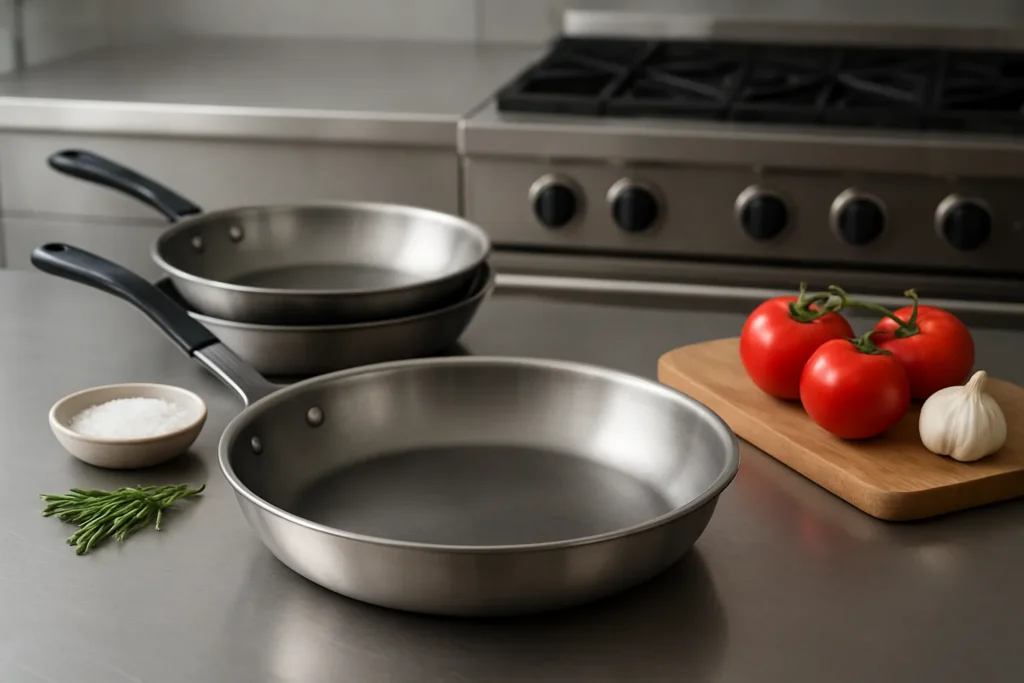
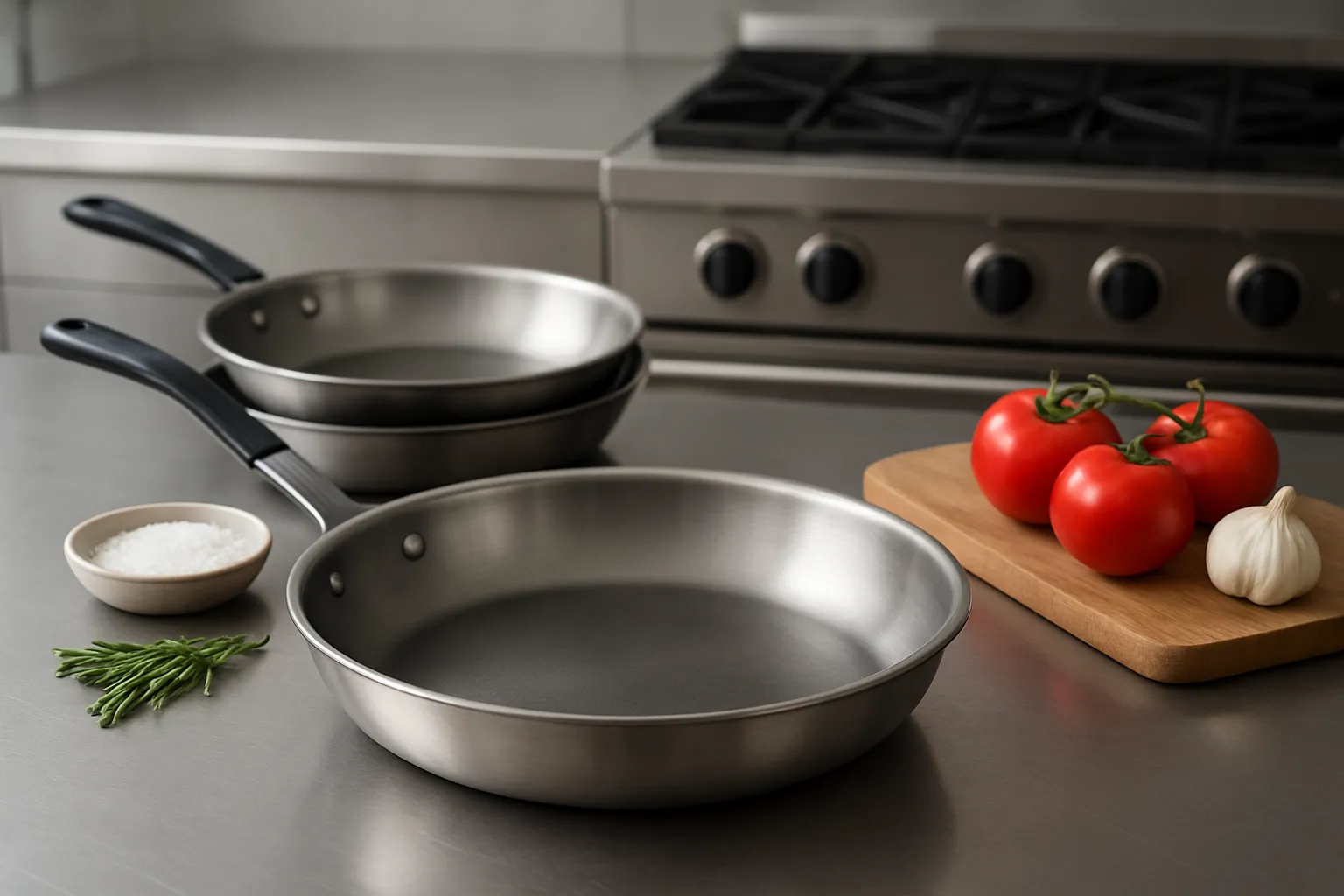
In the fast-paced world of the culinary industry, the quality of cookware, especially heavy-duty frying pans, can significantly impact the efficiency and output of a restaurant. Among the essential tools in any kitchen, heavy-duty frying pans stand out as a critical investment for restaurant owners. These robust pieces of cookware not only enhance cooking performance but also offer durability and versatility that can meet the demands of a busy kitchen. In my experience, selecting the right frying pan can make all the difference in a chef’s ability to deliver exceptional dishes. This article explores the specifications, use cases, and benefits of heavy-duty frying pans, providing valuable insights for restaurant owners looking to elevate their culinary operations.
Specifications of Heavy-Duty Frying Pans
When considering heavy-duty frying pans, it is vital to understand their specifications to make an informed purchase.
- Material Types: Heavy-duty frying pans are typically made from materials such as stainless steel, cast iron, or hard-anodized aluminum. Each material offers unique benefits. For example, stainless steel provides excellent durability and resistance to rust, while cast iron retains heat exceptionally well, making it ideal for searing.
- Size and Weight Considerations: Heavy-duty frying pans come in various sizes, ranging from small (8 inches) to large (14 inches or more). Restaurant owners should consider the volume of food they typically prepare when selecting sizes. Additionally, the weight of the frying pan can affect maneuverability; heavier pans often provide better heat retention but may be cumbersome for prolonged use.
- Heat Distribution and Retention: One of the most critical aspects of a heavy-duty frying pan is its ability to distribute and retain heat evenly. This feature is essential for achieving consistent cooking results, especially in high-volume settings. Pans with a thicker base are generally preferred for their superior heat retention capabilities.
Use Cases in Restaurant Settings
Heavy-duty frying pans are versatile tools that can be utilized across various culinary applications in a restaurant setting.
- High-Volume Cooking: In busy kitchens, heavy-duty frying pans can withstand the rigors of high-volume cooking. Their durability allows chefs to prepare large batches of food without worrying about damaging the cookware.
- Versatility in Menu Preparation: From sautéing vegetables to frying proteins, heavy-duty frying pans can handle a wide range of cooking techniques. This versatility makes them an indispensable part of any restaurant’s cookware arsenal, allowing chefs to experiment with different dishes without needing multiple specialized pans.
- Longevity and Maintenance: Investing in heavy-duty frying pans translates to long-term savings. These pans are designed to endure frequent use, and with proper maintenance, they can last for years. Regular seasoning, especially for cast iron pans, can further enhance their lifespan and cooking performance.
Comparisons with Other Cookware
Understanding how heavy-duty frying pans stack up against standard frying pans can help restaurant owners make informed decisions.
- Heavy-Duty Frying Pans vs. Standard Frying Pans: While standard frying pans may suffice for home cooking, they often lack the durability and heat retention of their heavy-duty counterparts. Heavy-duty frying pans are designed to withstand higher temperatures and more rigorous use, making them better suited for restaurant environments.
- Cost-Effectiveness Over Time: Although heavy-duty frying pans may come with a higher upfront cost, their longevity and performance make them a more cost-effective choice in the long run. Restaurant owners can save money by reducing the frequency of replacements and maintenance.
- Performance in Different Cooking Techniques: Heavy-duty frying pans excel in various cooking techniques, including frying, sautéing, and browning. Their ability to maintain consistent heat allows chefs to achieve better results, enhancing the overall quality of dishes served.
Sourcing Heavy-Duty Frying Pans
Finding the right heavy-duty frying pans involves evaluating different manufacturers and suppliers.
- Top Manufacturers and Brands: Some reputable brands known for their quality heavy-duty frying pans include All-Clad, Calphalon, and Lodge. Researching these brands can help restaurant owners identify the best options for their specific needs.
- Evaluating Supplier Reliability: When sourcing cookware, it’s crucial to work with reliable suppliers. Look for suppliers with positive reviews, good customer service, and a history of delivering quality products. For instance, industry reference can provide insights into reputable cookware options.
- Pricing and Budget Considerations: While it’s tempting to go for the cheapest option, restaurant owners should consider the long-term value of their investment. Balancing quality with budget constraints will ensure that the cookware meets both performance and financial expectations.
Implementation in the Kitchen
Once heavy-duty frying pans are sourced, implementing them effectively in the kitchen is essential.
- Training Staff on Use: Proper training is vital for maximizing the performance of heavy-duty frying pans. Chefs should be familiar with the specific care and cooking techniques associated with the pans they are using.
- Integrating with Existing Cookware: Heavy-duty frying pans should complement existing cookware. Assessing the current inventory and ensuring compatibility with other kitchen tools will promote efficiency.
- Maintenance Best Practices: Establishing maintenance protocols, such as regular cleaning and seasoning, will help prolong the life of heavy-duty frying pans. This practice not only maintains performance but also ensures food safety.
Frequently Asked Questions
- What Makes a Frying Pan Heavy-Duty?: A heavy-duty frying pan is characterized by its thicker construction, durable materials, and ability to withstand high heat and frequent use.
- How to Choose the Right Size?: Consider the volume of food prepared and the number of portions served. Larger pans are ideal for batch cooking, while smaller pans may be better for individual servings.
- Are Heavy-Duty Frying Pans Worth the Investment?: Yes, the durability, versatility, and long-term cost-effectiveness of heavy-duty frying pans make them a worthwhile investment for restaurant owners.
In conclusion, investing in heavy-duty frying pans is a smart choice for restaurant owners looking to enhance their kitchen operations. With their superior specifications, versatile use cases, and long-term benefits, these pans can significantly improve cooking efficiency and food quality. From what I have seen, by sourcing the right products and implementing them effectively, restaurants can ensure they are well-equipped to meet the demands of their culinary endeavors.